Strategic Action
Curating Daily Balance
A structured timeline of practical, everyday habits designed to maintain natural vascular health and reduce external tension factors.
Ambient Mineralization
Start the day with 400ml of pure water combined with a light trace of raw pink salt. This replenishes overnight fluid losses without causing sudden fluid spikes.
Vascular Movement Break
Break up sedentary working hours with a brisk 15-minute outdoor walk. This simple motion stimulates calf muscle pumps, encouraging steady blood return from lower limbs.
Somatic Autonomic Reset
Disconnect from digital blue-light screens and practice a simple 4-7-8 breathing sequence for 5 minutes. This shifts the nervous system into a relaxed state, preparing the heart for restful recovery.
Dietary Choices
Whole foods vs structural processing inputs.
Modern processed convenience food profiles are often packed with hidden sodium, chemically refined preservatives, and industrial binding agents. These additions cause systemic water retention and stiffen structural tissue walls.
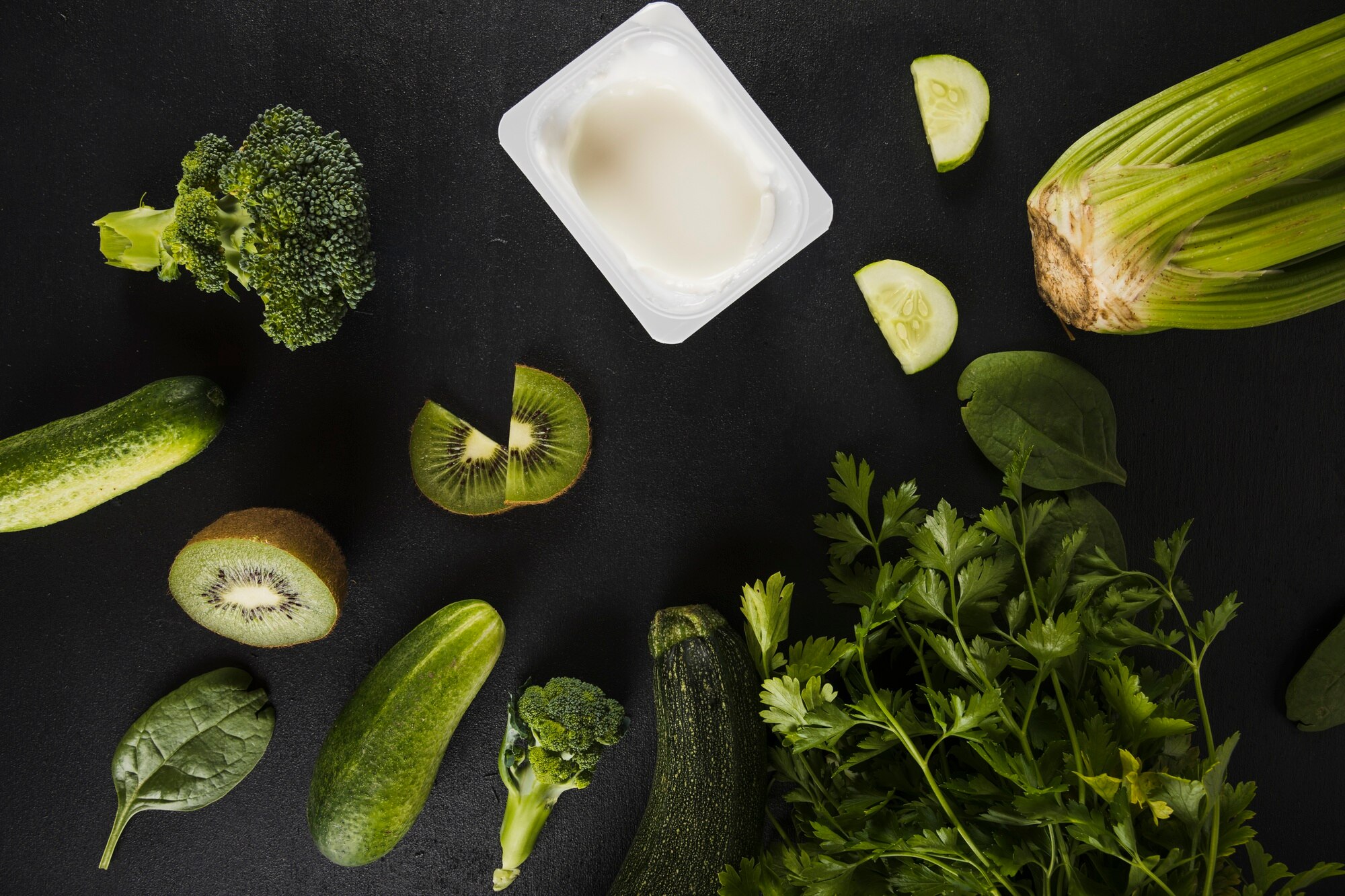
Choosing unrefined agricultural ingredients—like raw leafy greens, whole tubers, seeds, and lean proteins—delivers balanced nutrition that lets your body process fluids efficiently and naturally.
Everyday Choices
Simple habits that build lasting systemic ease.
Stairs Over Mechanized Elevators
Choosing the stairs provides a quick burst of resistance exercise that naturally opens up lower-body capillaries, lowering overall systemic resistance.
Herbal Brews Over Pure Caffeine
Replacing your late-afternoon espresso with hibiscus or chamomile tea avoids unwanted adrenaline surges, protecting your resting heart rate from unneeded spikes.
Common Concerns
Everyday Routine Clarifications
How long does it take for dietary changes to show in daily volume checks?
Initial changes in body water retention often clear up within 7 to 10 days of lowering processed sodium intake. More permanent improvements in blood vessel flexibility typically develop over several months of steady practice.
Can regular hydration help during high-stress working hours?
Yes. Being dehydrated prompts the body to produce vasopressin, a hormone that tightens blood paths. Staying consistently hydrated stops this survival reflex, keeping circulation smooth even during busy workdays.
Open Dialogue Options
Have questions regarding structural guidelines?
Connect with our support center in Poland for complete, clear educational resources on healthy lifestyle habits.